

When your air conditioning system fails to perform, it can be frustrating. You might experience insufficient cooling, strange noises, or even water leaks. These common issues can often be resolved quickly with simple checks and fixes. Understanding what to look for can save you time and money. Here’s a breakdown of the most prevalent AC problems and their swift solutions that can keep your home comfortable.
Insufficient Cooling
When your air conditioning system fails to cool effectively, it can quickly become uncomfortable. First, check the thermostat settings; verify it’s set to a lower temperature than the current room temperature. Next, inspect the air filters; dirty filters restrict airflow, reducing cooling efficiency. If the filters are clean, examine the outdoor unit for debris or blockages that can hinder airflow. Low refrigerant levels may also cause insufficient cooling, requiring a professional to recharge the system. Finally, confirm the ductwork is sealed and free from leaks, which can lead to significant cooling loss. By addressing these issues promptly, you can restore your AC’s cooling performance and maintain a comfortable environment for everyone.
AC Not Turning On
Experiencing an AC that won’t turn on can be frustrating, and there are several steps you can take to troubleshoot the issue. First, check your power supply. Confirm the unit is plugged in and the circuit breaker hasn’t tripped. Next, inspect the remote control or wall switch for proper functionality. If you’re using a smart thermostat, verify it’s connected to Wi-Fi and functioning correctly.
Additionally, examine the air filter; a clogged filter can prevent your system from operating. Finally, if these steps don’t resolve the issue, it might be time to call a professional technician. They can diagnose more complex problems, such as a faulty compressor or electrical malfunction, confirming your AC gets back up and running efficiently.
Thermostat Issues
If your AC is running but not cooling effectively, thermostat issues could be the culprit. First, check if the thermostat is set to ‘cool’ and the desired temperature is lower than the current room temperature. If it’s battery-operated, replace the batteries to guarantee proper function. Calibration may also be necessary; a miscalibrated thermostat won’t accurately read the temperature. You can recalibrate it by following the manufacturer’s instructions. Additionally, verify that the thermostat is clean and free from dust or debris, which can affect its performance. If these steps don’t resolve the issue, consider consulting a professional to check for wiring problems or a malfunctioning unit, ensuring your system serves you well.
Strange Noises
Thermostat issues can sometimes lead to unexpected problems, but strange noises from your AC unit often signal other underlying issues. If you hear rattling, it could mean loose components that need tightening. A hissing sound might indicate airflow restrictions, while a buzzing noise often indicates electrical problems. If you hear grinding, this could suggest that the motor bearings are failing. Each sound indicates an issue requiring prompt attention to prevent further damage. To resolve these noises, inspect the unit for debris, check for loose screws, and guarantee proper electrical connections. If the problem persists, it’s best to consult a technician who can accurately diagnose and fix it, ensuring your AC runs smoothly.
Refrigerant Leaks
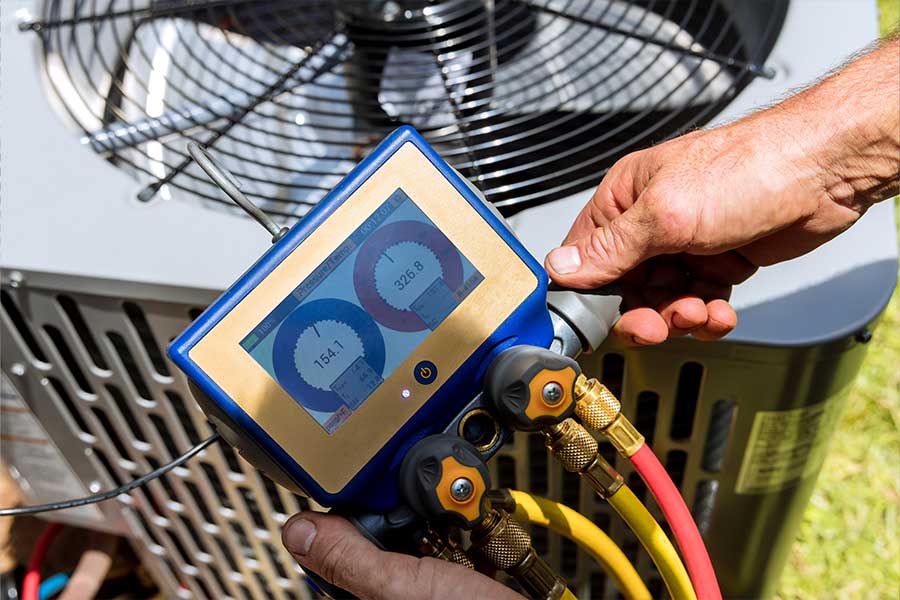
Refrigerant leaks can severely impact your AC unit’s efficiency and performance. You might have a leak if you notice your system struggling to cool your space or hear hissing sounds. First, check for visible signs of refrigerant, such as oily spots near the coils. You can also use a leak detection dye to pinpoint the source. Once identified, it’s essential to call a certified technician to repair the leak and recharge the system. Attempting to fix it yourself can lead to further damage or environmental hazards. Maintaining proper refrigerant levels is critical for peak performance and energy efficiency. Regular inspections can help catch leaks early, ensuring your AC effectively serves you and your clients throughout the cooling season.
Clogged Air Filters
A clogged air filter is one of the most common issues affecting your AC system. When this happens, it restricts airflow, reducing efficiency and potentially causing damage. To address this problem effectively, follow these steps:
- Check the Filter: Inspect the air filter monthly, especially during high-use seasons.
- Replace or Clean: If it’s dirty, depending on the type of filter you use, you can either replace it or clean it.
- Set Reminders: Establish a schedule to check and maintain your filters every 1-3 months.
Ice Buildup on Coils
Clogged air filters can lead to various issues, including ice buildup on the coils. When airflow is restricted, the evaporator coils can’t absorb heat effectively, causing the temperature to drop below freezing. As a result, moisture in the air freezes on the coils, creating ice. This reduces the efficiency of your AC and can lead to compressor damage if left unaddressed. To fix this, regularly check and replace your air filters to maintain proper airflow. If ice has already formed, let the AC thaw completely. Verify that your refrigerant levels are adequate, and inspect the coils for dirt or debris needing cleaning. Keeping your system clean prevents future issues.
Frequent Cycling
When your air conditioner frequently cycles on and off, it can indicate underlying issues that need attention. This problem, known as short cycling, can lead to increased wear and tear on your unit. Here are three common causes:
- Thermostat Issues: Miscalibrated or faulty thermostats can misread your home’s temperature, erratically causing the AC to turn on and off.
- Refrigerant Problems: Low refrigerant levels can cause temperature imbalances, prompting the system to cycle too often.
- Dirty Coils or Filters: Clogged filters and dirty coils restrict airflow, forcing the unit to work harder and cycle more frequently.
Addressing these issues promptly can enhance your AC’s efficiency and longevity, providing better service for your home and family.
Bad Odors
If you’ve noticed foul odors from your air conditioner, it’s time to take action. Foul smells often indicate problems like mold growth or a burnt-out motor. First, check the air filter; a dirty filter can trap moisture and promote mold. Replace it if it’s clogged. Next, inspect the drain pan and condensate line for signs of standing water, which can foster odors. If you detect a musty smell, consider thoroughly cleaning the evaporator coils. Additionally, a burning smell may suggest electrical issues, so turn off the unit immediately and call a professional. Addressing these odors promptly improves air quality and enhances the efficiency of your AC system, ensuring a comfortable environment for everyone.
Water Leaks
Water leaks in your air conditioning system can lead to significant damage and inefficiency, so addressing them quickly is essential. Here are three common causes of water leaks:
- Clogged Drain Line: Dirt and debris can block the drain line, causing water to back up and leak.
- Low Refrigerant: Insufficient refrigerant can cause the evaporator coil to freeze, leading to leaks as it melts.
- Damaged Drain Pan: A rusted or cracked drain pan can allow water to escape rather than directing it to the drain line.
To fix these issues, regularly clean the drain line, check refrigerant levels, and inspect the drain pan for damage. Taking these steps will help maintain your system’s efficiency and longevity.
Conclusion
In conclusion, tackling common AC problems quickly can save you time and money. By checking thermostat settings, inspecting filters, and guaranteeing proper power supply, you can resolve many issues on your own. Regular maintenance is key to preventing future complications, so don’t overlook cleaning and servicing your unit. If problems persist, consider consulting a professional to ensure your system runs efficiently and keeps you comfortable throughout the seasons.
Frequently Asked Questions
How Often Should I Service My AC Unit?
You should service your AC unit at least once a year, before the cooling season starts. Regular maintenance keeps it running efficiently, prolongs its lifespan, and guarantees peak performance in hot weather.
Can I Troubleshoot AC Issues Without Professional Help?
Yes, you can troubleshoot AC issues without professional help. Start by checking the thermostat settings, ensuring clean filters, and inspecting the outdoor unit. If problems persist, you should consult a technician for assistance.
What Are the Signs of an AC Unit Failure?
You may notice signs of AC unit failure, such as unusual noises, inconsistent cooling, increased energy bills, or strange odors. If you observe any of these symptoms, it is essential to assess the situation promptly for potential repairs.
How Long Should an AC Unit Typically Last?
With proper maintenance, an AC unit typically lasts 15 to 20 years. Regular servicing and prompt repairs can extend its lifespan, ensuring you stay comfortable while maximizing your investment in home cooling.
Is It Safe to Use My AC During a Power Outage?
It’s not safe to use your AC during a power outage. Power surges can damage the unit, and operating it without adequate power can lead to malfunction. Wait until electricity stabilizes before turning it back on.