
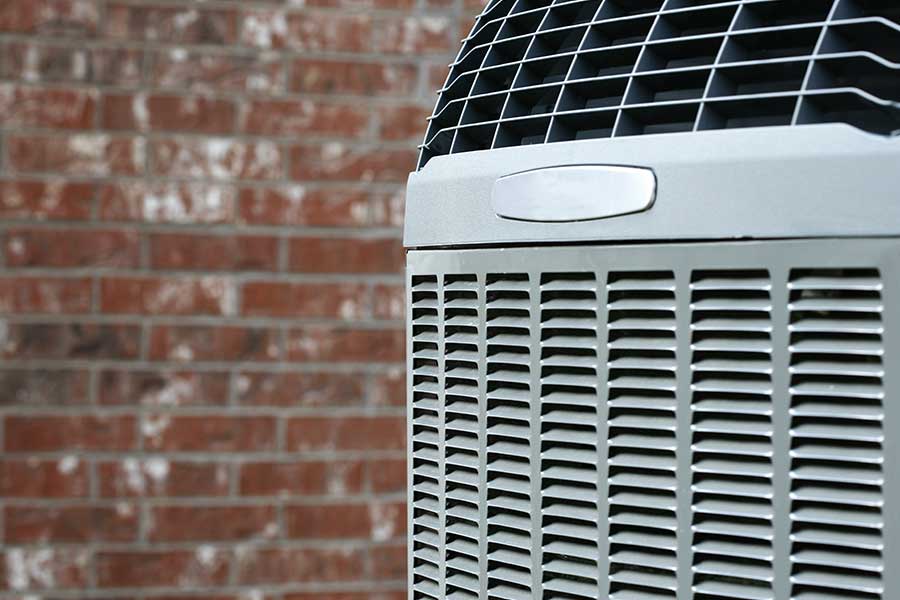
If you notice unusual noises from your geothermal heat pump, it could indicate something’s wrong. Decreased efficiency, frequent cycling, and rising energy bills can also indicate underlying issues. Ignoring these symptoms might lead to more serious problems down the line. Recognizing these warning signs early is crucial, but what specific indicators should you watch for to guarantee your system runs smoothly?
Unusual Noises Coming From the Unit
If you notice unusual noises coming from your geothermal heat pump, addressing them promptly is crucial. Sounds like grinding, banging, or hissing can indicate underlying issues that require your attention. Grinding noises often signal worn bearings or loose components, while banging can suggest loose parts or issues with the compressor. Hissing might point to refrigerant leaks, which can compromise efficiency and safety. Ignoring these noises could lead to more significant problems and costly repairs. Consider scheduling a professional inspection to guarantee your system operates efficiently and serves your needs. Regular maintenance can help prevent these issues and prolong the lifespan of your geothermal heat pump, assuring reliable service for you and others depending on it.
Decreased Heating or Cooling Efficiency
As you rely on your geothermal heat pump for consistent heating and cooling, a noticeable drop in efficiency can signal a problem. If you find your home either too hot or too cold despite the system running, it’s time to investigate. Factors like dirty filters, low refrigerant levels, or issues within the ground loop can hinder performance. Regularly check your air filters and replace them to guarantee maximum airflow. Additionally, inspect your thermostat settings and verify they’re correctly calibrated. If these adjustments don’t restore efficiency, you may have a more serious issue, such as a failing compressor or heat exchanger. Addressing these concerns promptly can help maintain your system’s reliability and efficiency, ultimately serving you better.
Frequent Cycling On and Off
When your geothermal heat pump frequently cycles on and off, it can indicate underlying issues that need attention. This behavior often points to problems such as a malfunctioning thermostat, improper refrigerant levels, or blocked airflow. A faulty thermostat can misread indoor temperatures, causing the system to overreact. Low refrigerant can lead to inefficient heat exchange, while blocked filters or vents restrict airflow, forcing the unit to work harder. Regular maintenance, including filter changes and system checks, can help prevent these issues. If the cycling persists, it’s essential to consult a professional technician. Timely repairs restore your heat pump’s efficiency and guarantee a comfortable environment for those you serve.
Increased Energy Bills
Frequent cycling of your geothermal heat pump can lead to discomfort and unexpected increases in your energy bills. If you’ve noticed a spike in your monthly costs, it’s time to investigate. This could indicate inefficiencies in your system that require immediate attention.
Consider these potential causes of increased energy bills:
- Refrigerant leaks that force the system to work harder
- Clogged filters restricting airflow, reducing efficiency
- Faulty thermostats misguiding your system’s operation
- Deteriorating components like compressors or pumps that need replacement
Addressing these issues promptly can help restore efficiency and reduce costs, ensuring you’re effectively serving both your comfort and your budget.
Unpleasant Odors Emitting From the System
A strong, unpleasant odor from your geothermal heat pump can signal serious underlying issues. If you notice a musty smell, it might indicate mold or mildew buildup within the system, often due to moisture accumulation. A burning smell could suggest electrical problems or overheating components, posing safety risks. Additionally, a sulfur-like odor may point to refrigerant leaks or gas leaks, which require immediate attention. Ignoring these odors can lead to further damage and decreased efficiency. To guarantee your system operates safely and effectively, promptly addressing any unpleasant smells is vital. Consider consulting a qualified technician to diagnose the issue and perform necessary repairs, ensuring your geothermal heat pump serves you well.
Water Leaks Around the Unit
Noticing water leaks around your geothermal heat pump can clearly indicate underlying issues that require immediate attention. Ignoring these leaks could lead to more extensive damage and costly repairs. Here are some potential causes you should look for:
- Cracked or damaged pipes, allowing water to escape
- Loose connections that may not be sealing properly
- Corroded components that compromise the system’s integrity
- Accumulation of debris obstructing drainage paths
If you observe any of these signs, it’s vital to address them promptly. Contact a technician to diagnose and repair the issue, ensuring your geothermal heat pump operates efficiently and effectively. Taking action now can save you time and money in the long run, while maintaining a comfortable home environment.
Inconsistent Temperature Control
When your geothermal heat pump struggles to maintain consistent temperature control, it can signal a need for repair. You may notice uneven heating or cooling throughout your space, which can frustrate you and those you serve. This inconsistency often indicates issues with the thermostat, ductwork, or the heat pump. A malfunctioning thermostat might not accurately read temperatures, leading to erratic performance. Additionally, blockages or leaks in the ductwork can disrupt airflow, causing uneven distribution. Regular maintenance checks can help you identify these issues early on. If you’re experiencing temperature fluctuations, don’t hesitate to consult a professional to guarantee your geothermal system operates efficiently and effectively, providing comfort for everyone in your environment.
Frost or Ice Buildup on the Heat Pump
Frost or ice buildup on your geothermal heat pump can signal underlying issues that require immediate attention. This problem can reduce efficiency and lead to costly repairs if ignored. When you notice frost or ice, consider the following potential causes:
- Improper airflow: Blocked vents or dirty filters can restrict airflow
- Low refrigerant levels: Insufficient refrigerant can prevent proper heat exchange
- Faulty defrost cycle: A malfunctioning defrost cycle may fail to remove ice buildup
- Thermostat issues: Incorrect thermostat settings can lead to excessive cooling
Addressing these issues promptly enhances your system’s efficiency and extends its lifespan. Regular maintenance can help prevent frost or ice buildup, ensuring reliable performance and comfort for you and those you serve.
Age of the System
The age of your geothermal heat pump plays an essential role in its performance and reliability. Most systems last between 20 to 25 years, but efficiency tends to decline as they age. If your unit is approaching or exceeding this lifespan, monitoring its performance closely is essential. You might notice higher energy bills, reduced heating or cooling effectiveness, or unusual noises. These signs can indicate the need for repair or even replacement. Regular maintenance can extend its life, but older systems often require more frequent repairs. Be proactive—consider scheduling an inspection if your heat pump is aging. This approach guarantees comfort and helps prevent unexpected breakdowns, ultimately serving your home and your family’s needs effectively.
Error Codes or Warning Lights on the Thermostat
Have you noticed error codes or warning lights appearing on your thermostat? These indicators can signal that your geothermal heat pump requires attention. Ignoring them might lead to more significant issues and discomfort in your home.
Keep an eye out for:
- Flashing lights that indicate system malfunctions
- Error codes that require specific troubleshooting
- Temperature discrepancies between set and actual readings
- Unusual noises or vibrations accompanying the alerts
Addressing these signs promptly can help maintain your system’s efficiency and longevity. If you’re unsure about the meaning of a code or light, consult your manual or contact a professional. Taking action early guarantees you’re serving your comfort and the health of your geothermal system.
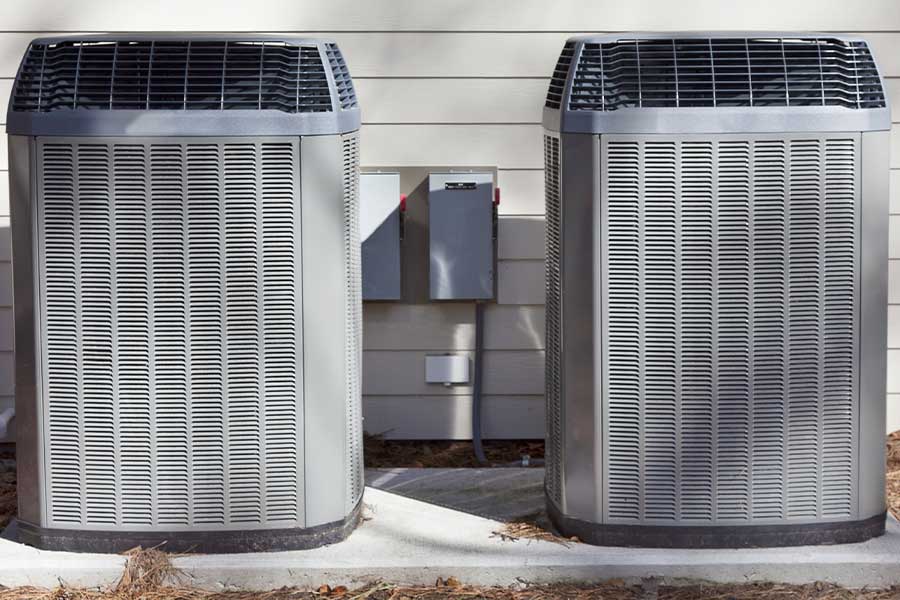
Conclusion
In summary, staying vigilant for signs that your geothermal heat pump needs repair is essential for maintaining efficiency and comfort. Don’t ignore these signals if you notice unusual noises, decreased performance, or increased energy bills. Addressing issues like unpleasant odors or frost buildup promptly can prevent more significant problems. Always consult a qualified technician to diagnose and resolve any concerns, ensuring your system operates smoothly for years.
Frequently Asked Questions
How Often Should I Schedule Maintenance for My Geothermal Heat Pump?
You should schedule maintenance for your geothermal heat pump at least once a year. Regular check-ups guarantee peak performance, energy efficiency, and longevity, preventing costly repairs and keeping your system running smoothly throughout the seasons.
Can I Troubleshoot My Geothermal Heat Pump Issues Myself?
Yes, you can troubleshoot some geothermal heat pump issues yourself. Check for unusual noises, verify the correct thermostat settings, and inspect air filters. If problems persist, it’s best to consult a professional for assistance.
What Is the Average Lifespan of a Geothermal Heat Pump?
The average lifespan of a geothermal heat pump ranges from 20 to 25 years. Regular maintenance can extend its life, ensuring efficient operation and consistent comfort for you and those you serve in your space.
Are there any rebates for the repair of geothermal heat pumps?
Yes, rebates are often available for repairing geothermal heat pumps. Check with local utility companies and government programs, as they frequently offer incentives to encourage energy-efficient upgrades and maintenance for these systems.
How Can I Improve My Geothermal Heat Pump’s Efficiency?
To improve your geothermal heat pump’s efficiency, regularly clean or replace filters, guarantee proper insulation, schedule routine maintenance, and monitor thermostat settings. These steps help optimize performance and effectively reduce energy consumption.